Walk onto any well-drilled worksite during a discharge drill and you can identify the pecking order at a glimpse. Colour-coded hats or safety helmets cut through the chaos. They assist brand-new staff understand who to comply with, they help emergency situation services find the right contact, and they give wardens the authority to move people firmly and safely. The colour system is easy theoretically, yet I have seen confusion creep in when websites blend standards, reuse discolored caps, or avoid refresher training. This overview sets out what each hat colour normally suggests, why the system exists, and exactly how to establish it up so individuals act, not presume, when smoke or alarm systems make assuming harder.
Although hat colours are visible, they sit inside a bigger framework: the emergency situation control organisation, frequently shortened to ECO. In Australia this connects to 2 devices of expertise that many security groups understand by their codes: PUAER005 Operate as component of an emergency control organisation and PUAER006 Lead an emergency control organisation. The training courses behind these units construct the practices and judgment that bring the hats to life. Colour is just the quick aesthetic cue.
Why colours matter greater than you think
When you trigger a fire alarm, the clock runs differently. Sound bounces, eyes dilate, great motor abilities drop. Even persistent people forget the nearest exit they strolled past that morning. Because haze, a red or white helmet brings an assurance: follow me, below is the plan. It must imply the wearer has actually finished fire warden training, understands the building, and comprehends their slice of the ECO strategy. It likewise offers emergency situation services one look verification of who commands to short them.
There is one more layer. Many workplaces have layers of contractors, site visitors, and revolving teams. The colour system covers that spin. A checking out engineer might not recognize your chief warden by face, but they will identify a white helmet at the assembly area due to the fact that colour codes are broadly regular across sectors that adhere to Australian Basic 3745 planning concepts. Where websites wander, complication expands. I as soon as investigated a website that put initial aiders in green hats with a cross, and wardens in green vests. During a drill, half the floor complied with the first aiders and stopped in a stairwell. Straightforward colour discipline would certainly have protected against it.
The usual colour code at a glance
Although some organisations fine-tune the scheme, the extensively used pattern is straightforward:
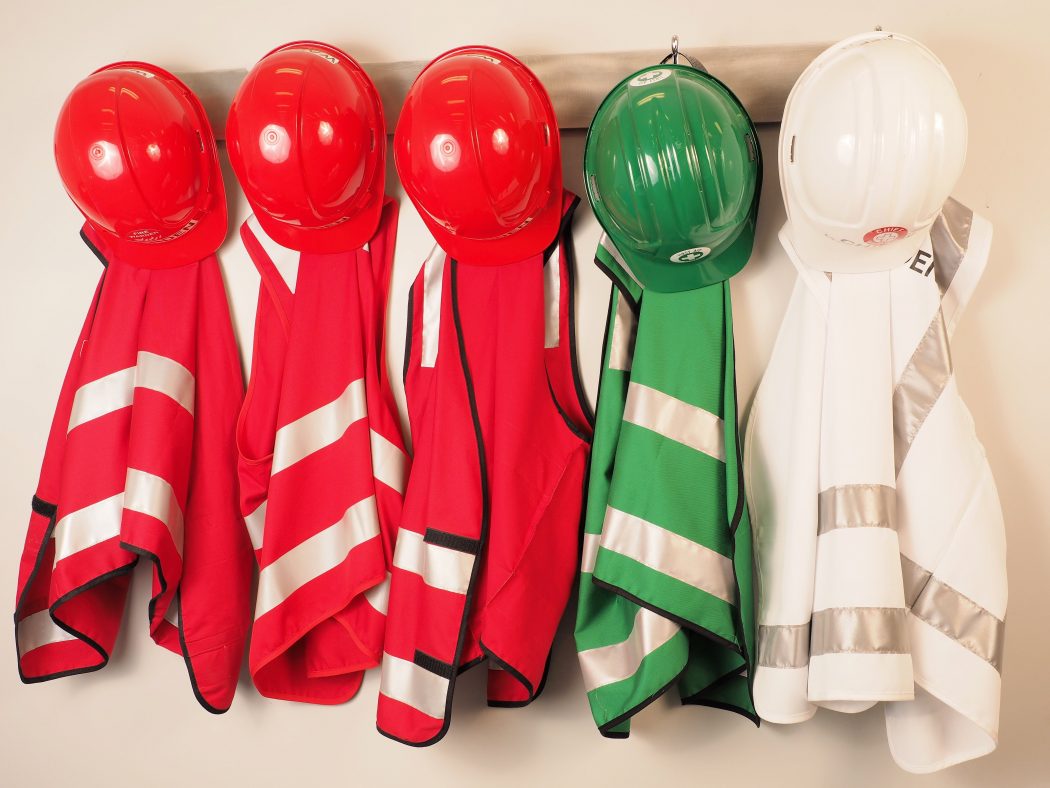
- White: Chief Warden or Replacement Chief Warden Yellow: Flooring or Location Warden Red: Warden or Fire Warden Blue: Communications Police officer or Control Area role
That checklist is not a law, and you will certainly see variants for first aid, security, or spill reaction. The integral part is inner uniformity recorded in your emergency situation strategy, enhanced by warden training, and obvious in signs and induction packs. When you get safety helmets and vests, order for the next 2 years, not simply the current head count. Blending tones or styles across floors looks sloppy and compromises recognition.
Who puts on white and what that duty really does
Ask any emergency situation planner, what colour helmet does a Chief Warden wear, and you will hear white nearly each time. The chief warden hat colour is white for a reason. It is highly noticeable, very easy to acknowledge in smoke or low light, and lugs a typical link to command. The chief warden responsibilities go far past wearing the ideal hat. On a regular day they lead readiness, review ECO staffing, run drills, and communicate with building management. Throughout an event they make the huge telephone calls: evacuate, partial evacuate, or shelter in position, based on alarm information, records from area wardens, and directions from emergency situation services.
If the chief is absent, the replacement chief warden action in, additionally in white. This is not a ceremonial job. You need two or even more people trained to chief fire warden degree due to the fact that holidays and shifts happen, and emergency situations ignore lineups. I have seen a replacement comfortably lead a partial evacuation during a gas leak while the chosen principal was on a customer phone call offsite. That handover functioned because both had completed the PUAER006 program and drilled together.
Chief fire warden training must include sensible radio discipline, choice making under unpredictability, and triaging conflicting records. The PUAER006 Lead an emergency situation control organisation device is created for that. It covers management of the ECO throughout an emergency situation, not just the auto mechanics of alarms. If your chief warden has actually just ever before done a short warden training warden course targeted at PUAER005, purchase the upgrade. The difference reveals when seconds matter.
Yellow hats, the engine room of evacuation
Yellow typically marks floor wardens or area wardens. These are individuals who move spaces, examine amenities, close doors behind evacuees, and record condition back to the chief. A solid yellow hat cohort is the foundation of an excellent ECO. They need to recognize where the mobility-impaired staff rest, which stairwells bypass mechanical spaces, and just how to isolate a tiny hazard without ending up being a hero. They likewise need the self-confidence to challenge people that want to fetch laptops or tip outside for a smoke mid-evacuation.
This is where the PUAER005 Run as part of an emergency control organisation can be found in. The PUAER005 training course builds the principles: the warden's duty, exactly how to utilize mobile equipment such as EWIS panels and warden intercom phones, just how to interpret alarm stages, and just how to perform a thorough search without placing yourself at risk. It may be part of a broader fire warden course or warden training package, and it pairs well with site-specific inductions. A yellow hat on a person that has actually never ever opened your fire stairway door that sticks on damp days is a false comfort.
If you manage training, keep a log of who has done the PUAER005 run as component of an emergency situation control organisation device, when they last participated in a refresher, and which floorings they are appointed to. Fire warden training requirements vary by territory and building course, yet a practical cadence is yearly drills and a formal refresher course every one to two years. New employs must finish emergency warden training within their very first month if they are on the ECO roster.
Red hats and the practical end of the plan
Red is commonly used for wardens with a fire feedback emphasis. In some sites, red and yellow share the same duties with labels set by legacy equipment. In others, red hats are the very first action wardens trained to attempt very tiny incipient fires with the appropriate extinguisher, while yellow wardens concentrate on sweeps and occupant movement. Whichever method you divided it, red hats should not create an expectation that anybody battles an expanding fire. The first rule continues to be, eliminate individuals from threat and call the fire brigade. Attempting to knock down a container fire is acceptable if you have the training, the appropriate extinguisher, and a clear exit behind you. I have stopped more than one eager brand-new warden from chasing an oil fire with a water extinguisher due to the fact that they remembered the colour code on the hat, not the one on the cylinder.
Designate red hat duties in your emergency warden course content. Make sure the fire warden training includes hands-on extinguisher method, fire blanket drills, and fault-finding with alarms. The PUAER005 training course end results cover these aspects at a level that matches most workplaces. If your site lugs greater risks, such as labs or gas storage, layer in bespoke situation exercise with your emergency warden training provider.
Blue hats, the quiet conductors
Blue hats typically note interactions policemans. In a well-run ECO, blue-hatted staff guy the warden intercom phones, operate the emergency situation warning and intercommunication system, log records being available in from yellow and red hats, and relay direction from the chief warden. They additionally keep an eye on the public address to quit conflicting messages. The ability here is to stay tranquil while hearing ten voices at once. Excellent comms wardens rehearse their message manuscripts and understand when to switch over from alert to leave tone.

I as soon as worked with a control room driver who wrote her very own phonetic abbreviations for well-known issue spaces, after that trained her alleviation to use the same set. That little item of craft shaved secs and stayed clear of mishearing over the alarm system tone. If you designate blue hats, provide added time with your EWIS or regional matching, because modern technology differs extensively between buildings.
How hat colours link to PUAER005 and PUAER006 in practice
The devices themselves do not suggest colours. They define expertises. Your emergency situation plan does the mapping. A tidy method to line points up appears like this in practice: personnel who full PUAER005 are eligible for red or yellow hat functions, relying on rate of interest and aptitude. Staff who total PUAER006 step into white hats as principal or deputy, and might additionally use blue when needed because chief-level training includes comms coordination.
Formal program calling in some cases varies a little by training provider. You will certainly see puafer005 course and puafer006 course spelled out in marketing product, or referenced as a warden course and chief warden course. Examine the device codes on the statement of achievement as opposed to the leaflet, and make certain the company examines against present variations. For senior duties, look for chief warden training that includes sensible exercises, not just class slides.
Getting the colours precisely your site
If you acquire a website, do a straightforward audit. Count hats and vests, inspect the condition, and compare what people use throughout drills with what your plan claims. If your chief emergency warden puts on a white vest but a yellow headgear, repair the inequality. Help service providers also. I have seen protection teams in black hats and black vests that disappear in a group. They ought to contend the very least a clear label and a conventional colour vest layered over their attire throughout an incident.
When you update gear, standardise. Helmets with reflective strips beat simple ones in car parks or storehouses. Labels need to be big enough to read from ten metres. Assign spares in a recognized location, not hidden in a locked cabinet in the chief warden's workplace. For multi-tenant buildings, line up with base structure wardens. If the building supervisor runs white for chief and deputy, yellow for area, red for warden, and blue for interactions, match those colours inside your tenancy to stay clear of combined signals at the setting up area.

The question everybody asks: what colour safety helmet does a Chief Warden wear?
White. If your site makes use of a various colour, document it, educate it, and be prepared to clarify it to participating in fire staffs. I strongly recommend sticking to white since it harmonises with common practice across Australia and lines up with assumptions baked right into chief fire warden training situations. The chief fire warden hat colour need to never ever be uncertain. Nor ought to the title. Chief warden, chief fire warden, and chief emergency warden are typically made use of reciprocally in discussion, yet your plan should choose one term and bring it through.
Training paths that make the hats imply something
Colour without proficiency is costume. A durable path resembles this:
- Induction covers the essentials for all staff: alarm system tones, exits, assembly factor, and the function of wardens by colour. PUAER005 for warden-level team gives them the skills to run as part of an ECO. That consists of alarm systems, communication methods, search and evacuation methods, and fundamental initial response devices usage. PUAER006 for elderly team prepares them to lead an ECO. It focuses on decision production, intermediary with emergency services, entrusting jobs under stress, and taking care of insufficient or contradictory information.
For bigger or greater danger websites, include situation days two times a year with smoke makers, blocked exits, and a few planted curveballs such as a missing out on site visitor or a two-way radio failing. Wardens find out to adjust and the colours end up being shorthand for capability, not simply standing. Chief fire warden duties ought to be rehearsed with the same realistic look: cause partial emptyings, practice sanctuary in place, and run tabletop sessions on less usual occasions like bomb threats or civil disturbances.
Fire warden requirements in the workplace
Regulatory responsibilities rest with the individual conducting a service or task in Australia, and with building proprietors and supervisors. While legislation is jurisdiction-specific, the functional standard most security professionals comply with for preparation is in line with AS 3745 principles. That means establishing an ECO, providing training, and running discharge exercises at a sensible frequency, usually at least each year or more frequently for complex sites.
Fire warden needs include sufficient numbers per floor or location, coverage for all shifts, and a procedure for site visitors and mobility-impaired passengers. Hat colours alone do not fulfill the requirement. You need consultation letters, training records, and a present emergency plan. If you run a storehouse, consider high-visibility and hearing security. If you run a health center or aged treatment facility, emptying becomes staged and supported instead of a quick flow to the street, and the training shows that. The chief warden requirements scale with complexity. Bigger websites require replacements and alternates.
Common errors and just how to avoid them
I see the exact same mistakes repeat across industries. The initial is thinking every person can listen to the public address clearly. In plant rooms, packing anchors, or loud production locations, your blue-hat comms officer requires to make use of wardens as joggers. The 2nd is thinking a published plan resolves practices. People default to practice when emphasized. If their everyday behavior is to utilize a lift to obtain coffee, they will head to the lift in an alarm system unless wardens redirect them. Drills re-wire habits.
Another is blending PPE with recognition. Some websites placed wardens in red hard hats in a building and construction area, yet visitors additionally put on red. That kills the signal. If your PPE scheme clashes with warden colours, use huge, clear safety helmet stickers and vests with bold text. Ultimately, retiring wardens however maintaining their hats in a random cabinet causes hold-ups. Problem, track, and get equipment as you would any various other control measure.
How to explain the system during induction without boring people
Most staff do not need a lecture on device codes. They require to know what to do and that to adhere to. In induction, reveal an image of the four colours made use of on your website with simple language roles. 5 minutes is enough. After that consist of a one-page summary in the welcome pack and a brief refresher in toolbox talks once a quarter. The information stays in the warden course material and your emergency situation strategy. During building-wide briefings, let your chief warden introduce themselves by name and position. It humanizes the white hat and aids compliance during drills.
Adapting colours for unique environments
Not every office fits the common palette cleanly. In aeronautics ground procedures, marshals already use high-visibility equipment that may be yellow or red. In health care, infection control may restrict sharing of helmets. In these situations, swap headgears for caps or armbands with the exact same colours, or add published identifiers to existing PPE. The secret is clear visibility and duty recognition. For night shift or low-light settings, reflective trim and small clip-on lights help.
If your website includes unsafe locations where ignition resources are an issue, stay clear of battery-powered safety helmet lights unless fundamentally risk-free. In a food-grade facility, shields and caps should fulfill hygiene rules. Deal with your warden training provider to adapt equipment while preserving the colour logic. The examination is straightforward: can a beginner spot a chief, a location warden, a warden, and a comms police officer from a range and understand what that means for their next move.
Drills that make colours count
During a drill, reveal duties and debrief by colour. Ask the yellow group the amount of spaces they cleared, whether they located any obstructed leaves, and for how long their sweep took. Ask the red team what devices they checked, whether they encountered a small hazard, and exactly how they reported it. Have the blue group replay their message log. The principal or replacement must clarify their choice factors, not simply the final telephone call. This reinforces that the colours mirror jobs and authority, not simply seniority.
Time your drills. Also a straightforward office emptying can vary by 30 percent depending on how quick wardens relocate and just how well residents react. Track enhancement, not just conformity. If you share room with other lessees, perform at the very least one joint exercise each year so your white hats find out exactly how the base structure group functions. It pays off when the actual alarm system comes with 7.15 am and your normal group is not yet at their desks.
Selecting and supporting the right people behind each colour
You do not need heroes. You need tranquil, reliable individuals with good knowledge of the area. For yellow and red hats, try to find staff who walk the floor commonly and know where people often tend to conceal to take phone calls. For blue hats, puafer005 course pick those who can keep a log clean under pressure. For white hats, choose somebody that interacts clearly and can telephone without awaiting best information. After that sustain them. Develop time into their workload for training, reward good efficiency after drills, and give them a voice when format changes might threaten evacuation routes.
Chief fire warden obligations consist of recurring involvement, not simply occurrence feedback. They ought to be part of refurbishment planning consultations, particularly on changes to egress, door equipment, and signs. The chief warden hat is the visible sign of that liability, and the chief fire warden requirements consist of that critical view.
Where courses suit a more comprehensive safety culture
A puafer005 course or puafer006 course is not a checkbox if you treat it as component of an environment. Link training to take the chance of evaluations, upkeep of fire doors, and regular examine alarm audibility. When HR onboards a class of grads, nominate brand-new wardens early and publication them right into the following emergency warden course. When you change a layout, run a micro-drill for that location the exact same week. Wardens like to maintain abilities fresh, and small successes build confidence.
Finally, track metrics that matter. Just how swiftly does the chief warden obtain all-clear reports from each yellow hat during a drill. The amount of radios stop working or go missing at work. The number of times do people try to utilize lifts. Step, share, and improve.
A fast recommendation you can share internally
Here is a short mapping that reflects common Australian practice. Change just with intent and documentation.
- White: Chief Warden and Deputy Chief Warden. Leads the ECO, liaises with emergency situation services, makes evacuation decisions. Yellow: Floor or Area Warden. Conducts moves, manages evacuee motion, reports status. Red: Warden or Fire Warden. Very first response jobs, helps with emptying, may try incipient fire control if educated and safe. Blue: Communications Policeman. Operates EWIS and intercom, logs records, relays instructions.
If you add unique duties such as Initial Aider, maintain their colour unique from warden colours and label it clearly to prevent cross-signals during an incident.
Bringing all of it together
When the alarm seems, you do not want disputes about titles or a shuffle for hats. You want a familiar pattern to break into area. White takes command. Yellow clears the space. Red takes care of initial reaction jobs and sustains motion. Blue keeps the information streaming. That clarity only comes when your fire warden training is existing, your equipment corresponds, and your emergency situation control organisation practices together. The colour on the hat is a guarantee. Place the training and management behind it so people can rely on that pledge when it counts.
Take your leadership in workplace safety to the next level with the nationally recognised PUAFER006 Chief Warden Training. Designed for Chief and Deputy Fire Wardens, this face-to-face 3-hour course teaches critical skills: coordinating evacuations, leading a warden team, making decisions under pressure, and liaising with emergency services. Course cost is generally AUD $130 per person for public sessions. Held in multiple locations including Brisbane CBD (Queen Street), North Hobart, Adelaide, and more across Queensland such as Gold Coast, Sunshine Coast, Toowoomba, Cairns, Ipswich, Logan, Chermside, etc.
If you’ve been appointed as a Chief or Deputy Fire Warden at your workplace, the PUAFER006 – Chief Warden Training is designed to give you the confidence and skills to take charge when it matters most. This nationally accredited course goes beyond the basics of emergency response, teaching you how to coordinate evacuations, lead and direct your warden team, make quick decisions under pressure, and effectively communicate with emergency services. Delivered face-to-face in just 3 hours, the training is practical, engaging, and focused on real-world workplace scenarios. You’ll walk away knowing exactly what to do when an emergency unfolds—and you’ll receive your certificate the same day you complete the course. With training available across Australia—including Brisbane CBD (Queen Street), North Hobart, Adelaide, Gold Coast, Sunshine Coast, Toowoomba, Cairns, Ipswich, Logan, Chermside and more—it’s easy to find a location near you. At just $130 per person, this course is an affordable way to make sure your workplace is compliant with safety requirements while also giving you peace of mind that you can step up and lead when it counts.